

NATURE UNVEILED
Environmental Field Trips in Zanzibar & Tanzania
Explore East Africa’s Living Ecosystems
Discover curriculum-aligned environmental field experiences across Zanzibar and mainland Tanzania, exploring marine ecosystems, coastal forests, biodiversity, conservation initiatives, and the relationship between communities and their natural environments.
🌐 Multilingual Guides Available: 🇬🇧🇫🇷🇮🇹🇪🇸🇩🇪🇨🇳
Exploring East Africa’s Natural Ecosystems
Zanzibar and mainland Tanzania offer diverse environments for university environmental field trips, connecting academic studies with marine ecosystems, coastal forests, biodiversity, and conservation practices. From Zanzibar’s coral reefs and mangrove habitats to mainland Tanzania’s protected landscapes, the region provides opportunities to explore ecological relationships, environmental challenges, and sustainable resource management.
As part of our broader Academic Travel offering, Zanzibar Quest works with universities to coordinate curriculum-aligned environmental field experiences in Tanzania, connecting academic objectives with relevant natural environments, conservation initiatives, and local expertise. Whether examining marine biodiversity, coastal ecosystem management, habitat conservation, or human-environment interactions, we arrange suitable field visits, local guides, and travel logistics while academic teaching and research remain under the university’s direction.
Planning a Study Visit?
Share your academic objectives. We’ll arrange relevant environmental field experiences and local logistics.
Environmental Field Experiences
From Zanzibar’s coral reefs and mangrove forests to mainland Tanzania’s diverse conservation landscapes, East Africa offers opportunities to examine biodiversity, ecosystem management, and environmental sustainability. Explore potential field experiences that universities can incorporate into their existing environmental studies and conservation programmes.

Marine Ecosystems
Explore Zanzibar’s coral reefs, marine biodiversity, and coastal habitats while examining ecological relationships and marine conservation challenges.

Mangrove Conservation
Examine mangrove ecosystems, coastal protection, habitat restoration, and the ecological importance of Zanzibar’s intertidal forests.
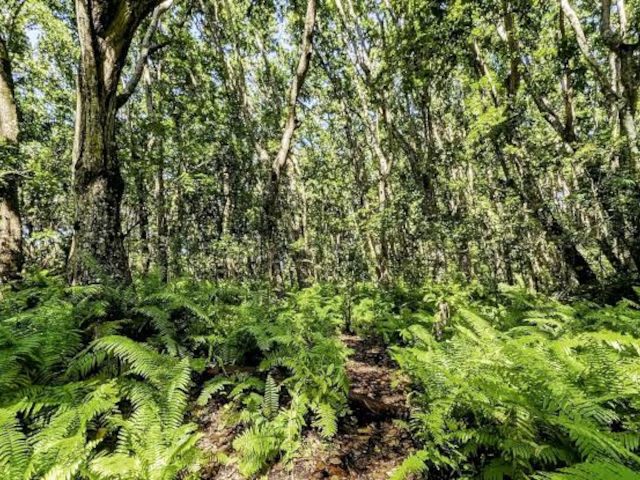
Forest Biodiversity
Discover tropical forest habitats, endemic wildlife, biodiversity protection, and conservation management in Zanzibar’s protected areas.

Coastal Communities
Explore relationships between coastal livelihoods, fisheries, natural resource use, and community participation in environmental conservation.

Wildlife Conservation
Examine wildlife habitats, protected area management, ecosystem conservation, and human-wildlife interactions across mainland Tanzania.
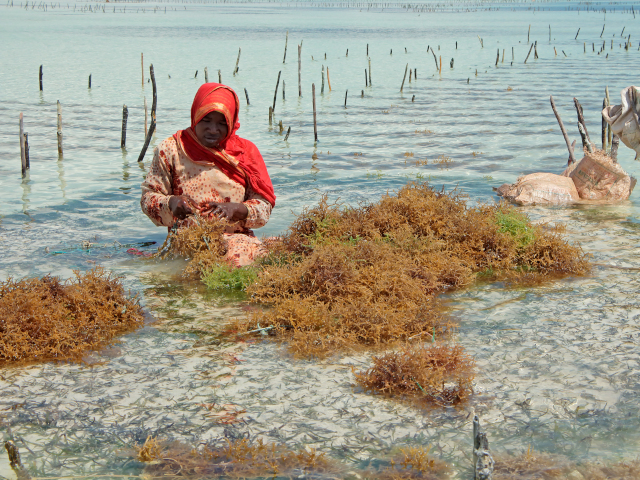
Sustainable Resources
Investigate sustainable resource management through local practices such as seaweed farming, coastal livelihoods, and community-based environmental initiatives.
Tailored to Your Curriculum
Environmental studies and conservation programmes have different academic priorities, from marine ecology and biodiversity to sustainable resource management and human-environment relationships. Zanzibar Quest works alongside university faculty and programme coordinators to identify field experiences across Zanzibar and mainland Tanzania that complement their existing curricula, research interests, and learning objectives.
Universities determine their academic focus, preferred ecosystems, fieldwork requirements, group size, and duration, while we coordinate suitable destinations, local guides, conservation-related visits, accommodation, transportation, and other travel arrangements. Experiences can be combined across marine, coastal, forest, and mainland environments to support a flexible academic visit shaped by each institution’s requirements rather than a predefined itinerary.
Academic Disciplines & Research Interests
Environmental Science
Examine natural ecosystems, environmental processes, biodiversity, and the relationships between human activities and ecological sustainability.
Marine Biology
Explore coral reef ecosystems, marine biodiversity, coastal habitats, and conservation challenges in Zanzibar’s surrounding waters.
Conservation Biology
Investigate habitat protection, wildlife conservation, biodiversity management, and ecological challenges across protected environments.
Sustainability Studies
Explore sustainable resource management, coastal livelihoods, community conservation, and human-environment relationships.
Frequently Asked Questions
University groups can explore marine ecosystems, coral reefs, mangrove forests, biodiversity conservation, coastal communities, and selected mainland wildlife habitats. Zanzibar Quest coordinates suitable environmental field experiences according to each institution’s academic objectives, preferred destinations, and travel requirements.
Yes. Zanzibar offers opportunities to explore coral reef ecosystems, marine biodiversity, coastal habitats, and conservation initiatives. We can help coordinate relevant destinations, local guides, and potential conservation-related engagements, subject to site access, availability, and any applicable permissions.
Yes. University groups can combine visits to Jozani Forest in Zanzibar with selected protected areas and conservation destinations on mainland Tanzania. We coordinate transportation, accommodation, guiding, and destination logistics based on the institution’s preferred locations and academic schedule.
Research activities, environmental sampling, and access to protected areas may require specific permissions from relevant authorities. Universities remain responsible for their research objectives and academic supervision. Zanzibar Quest can assist with local coordination and identifying relevant contacts, but research access and permits must be confirmed separately.
Where relevant, Zanzibar Quest can explore arrangements with local conservation organisations, environmental professionals, and community initiatives. Specialist meetings and institutional engagements depend on availability, suitability, and prior agreement. Academic teaching remains under the visiting university’s direction.
We recommend planning early, particularly for larger groups, multi-destination visits, or experiences involving conservation organisations and protected areas. Advance coordination allows time to confirm suitable destinations, accommodation, transport, specialist availability, and any required permissions.