

LIVING CULTURES
Cultural Anthropology Field Trips in Zanzibar & Tanzania
Discover the People and Traditions of East Africa
Explore university-led cultural field experiences across Zanzibar and mainland Tanzania, discovering Swahili traditions, community life, social identity, and the cultural practices shaping contemporary East African societies.
🌐 Multilingual Guides Available: 🇬🇧🇫🇷🇮🇹🇪🇸🇩🇪🇨🇳
Exploring East Africa’s Living Cultures
Zanzibar and mainland Tanzania offer diverse opportunities for university cultural anthropology field trips, connecting academic studies with the traditions, identities, and everyday experiences of East African communities. From Zanzibar’s Swahili coastal settlements to mainland Tanzania’s culturally diverse societies, the region provides opportunities to explore language, social organisation, cultural expression, and the relationships between tradition and contemporary life.
As part of our broader Academic Travel offering, Zanzibar Quest works with universities to coordinate curriculum-aligned cultural and anthropological field experiences in Tanzania, connecting academic objectives with relevant communities, cultural settings, local guides, and potential resource persons. Whether exploring Swahili identity, community livelihoods, social customs, or cultural transformation, we arrange suitable field visits and travel logistics while academic teaching, research, and supervision remain under the university’s direction.
Planning a Study Visit?
Share your academic objectives. We’ll coordinate relevant cultural field experiences and local arrangements.
Explore Cultural Field Experiences
From Zanzibar’s Swahili coastal communities to the diverse societies of mainland Tanzania, East Africa offers opportunities to explore cultural identity, social traditions, community relationships, and everyday life. Discover potential field experiences that universities can incorporate into their anthropology and cultural studies programmes.
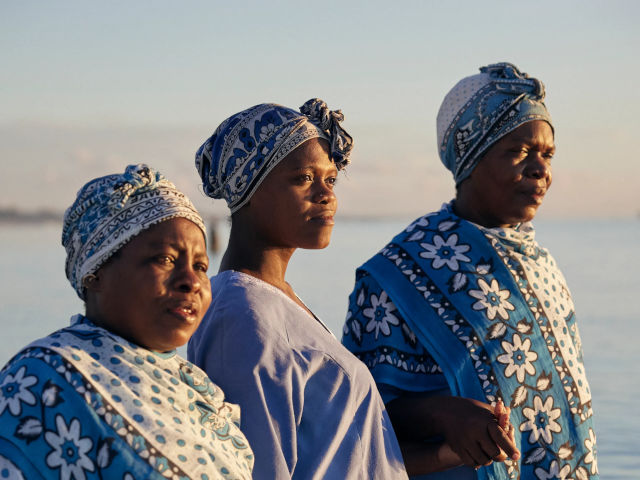
Swahili Culture
Explore Swahili cultural identity, social customs, traditions, and the influences shaping everyday life across Zanzibar and coastal Tanzania.
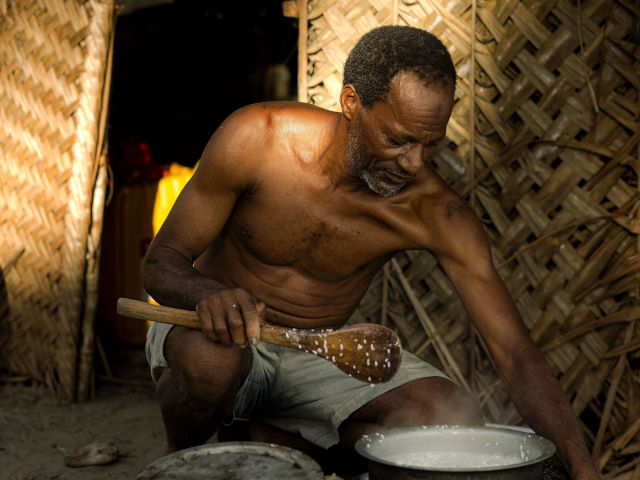
Community Life
Examine community relationships, family structures, social organisation, and everyday experiences within local East African societies.

Cultural Traditions
Discover traditional music, craftsmanship, ceremonies, and cultural expressions that reflect the region’s diverse social identities.

Language & Identity
Explore Kiswahili language, cultural identity, oral traditions, and the role of communication in shaping community relationships.
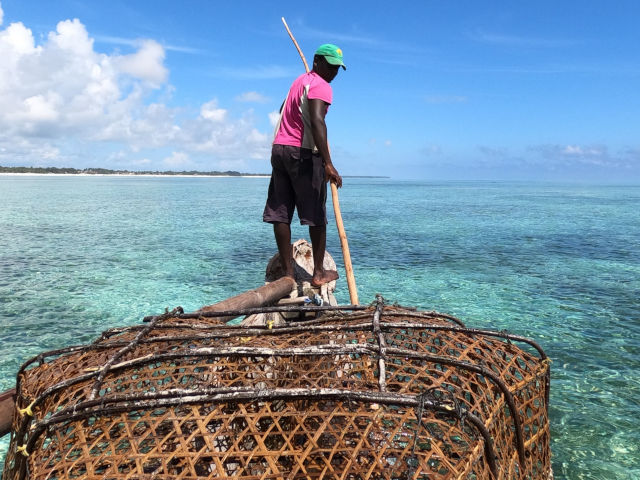
Coastal Livelihoods
Examine fishing traditions, coastal occupations, local markets, and the connections between livelihoods, culture, and community identity.

Social Change
Explore how urbanisation, tourism, education, and global influences shape cultural practices, identities, and contemporary community life.
Tailored to Your Curriculum
Cultural anthropology and social science programmes explore diverse academic interests, from cultural identity and social organisation to language, traditions, and community relationships. Zanzibar Quest works alongside university faculty and programme coordinators to identify field experiences across Zanzibar and mainland Tanzania that complement their existing curricula, research interests, and learning objectives.
Universities determine their academic priorities, preferred cultural settings, group size, and duration, while we coordinate suitable community visits, cultural engagements, local guides, accommodation, transportation, and other destination arrangements. Experiences can be combined across coastal, urban, and rural communities to support a flexible academic visit shaped by each institution’s requirements rather than a predefined itinerary.
Academic Disciplines & Research Interests
Cultural Anthropology
Examine cultural identity, traditions, social relationships, and everyday practices within East African communities.
Cultural Studies
Explore cultural expression, traditional arts, community heritage, and the influences shaping contemporary Swahili identity.
Sociolody
Investigate social organisation, community relationships, changing lifestyles, and the effects of modernisation on local societies.
Linguistics
Explore Kiswahili language, oral traditions, communication practices, and the relationship between language and cultural identity.
Frequently Asked Questions
University groups can explore Swahili culture, community life, social traditions, language, cultural identity, and contemporary social change across Zanzibar and mainland Tanzania. Zanzibar Quest coordinates suitable field experiences according to each institution’s academic objectives and preferred destinations.
Yes. We can help coordinate visits to suitable coastal, urban, and rural communities where engagements align with the university’s academic interests. Community visits are arranged with local agreement and depend on availability, suitability, and prior confirmation.
Yes. Universities can explore Swahili traditions, cultural expression, social customs, language, and community identity through relevant destinations and locally coordinated experiences. Faculty members determine the academic focus while Zanzibar Quest arranges suitable visits and local guiding.
Yes. Zanzibar Quest can arrange local Kiswahili-speaking guides to support cultural field visits and communication with local communities. Guides speaking additional international languages may also be available, subject to the group’s requirements and advance arrangements.
Universities may incorporate interviews, observation, or other field research activities into their academic programmes, subject to appropriate permissions and participant consent. The visiting institution remains responsible for research design, ethical approval, academic supervision, and any required authorisations. Zanzibar Quest can assist with suitable local coordination.
Yes. Universities can combine cultural field experiences across Zanzibar and mainland Tanzania to explore different communities, traditions, and social environments. We coordinate suitable destinations, accommodation, transportation, local guides, and travel arrangements around the institution’s academic objectives and preferred schedule.